
Apparel returns inspection and re-listing
135+ types of issues, with four-grade routing
From unpacking and grading to repair and re-listing, each return is handled to the standard agreed with your brand.
- Annual returns inspected
- 153,000,000 unitsCompany operating data
- Recognisable issue types
- 135+ typesSeven issue categories in scope
- Inspection and re-listing
- 24 hoursOverall workflow
- AQL sampling range
- AQL 1.0–6.5QC team working with Guangdong Testing Institute
Inspection record
A clear next step for every return
For apparel and footwear e-commerce brands and operators needing standardised return grading and re-listing. The QC team works to AQL 1.0–6.5 and applies brand-approved routing.
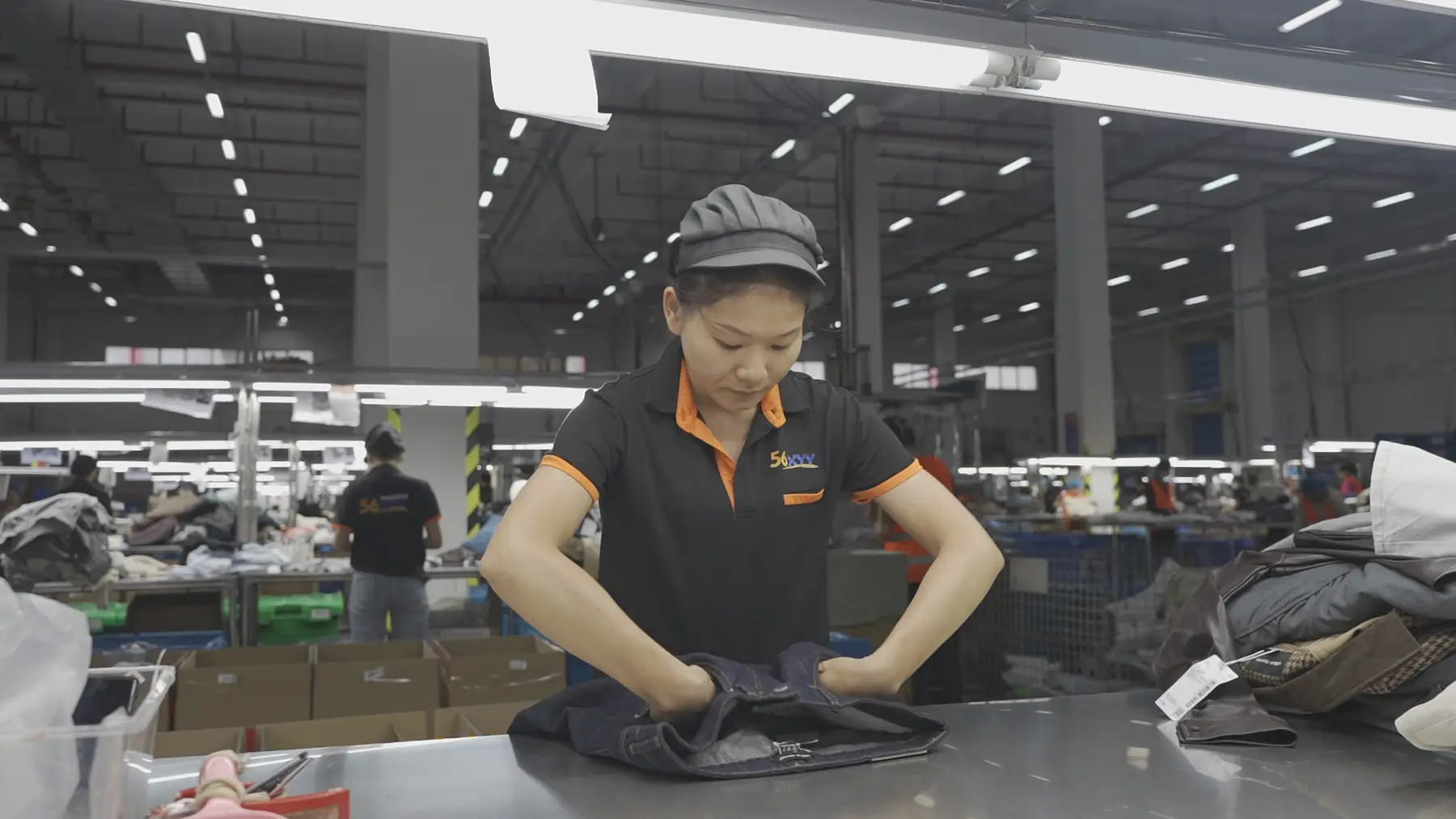
Record fields and decision rules are confirmed with each brand.
Routing
Four grades, clearly compared
Four-grade inspection exampleA, B+, B- and C illustrate inspection routing; decision criteria and handling follow the customer-approved standard.
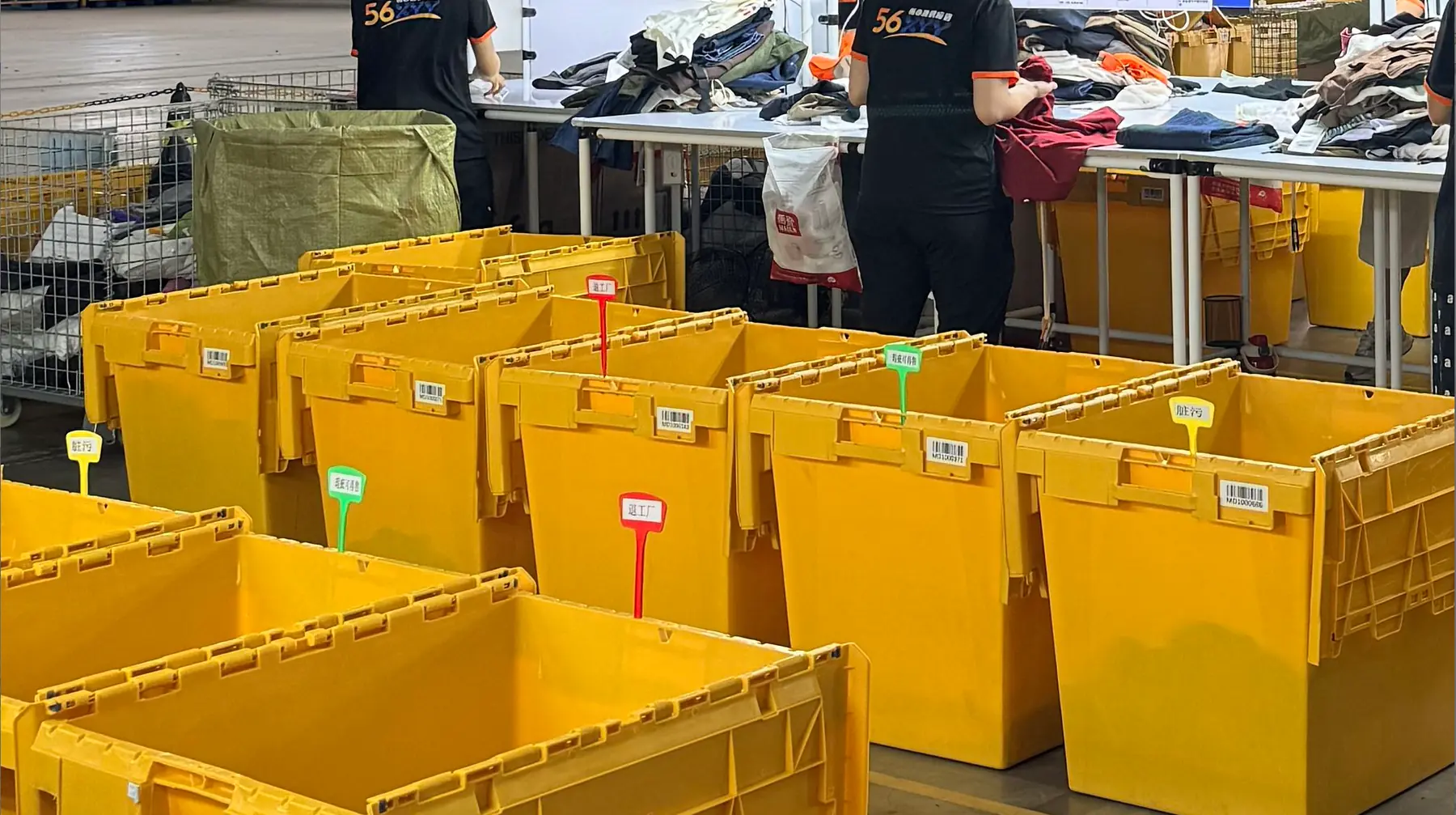
These are handling examples; criteria and routing follow the brand-approved standard.
Meets the brand-approved saleable-item rule
Typical issueIntact packaging · no crease · complete tags · no visible damage
Next stepEnter saleable inventory with brand approval
Included in the 24 hours workflowA minor issue allowed by the brand rule needs finishing or confirmation
Typical issueMinor crease · light packaging wear · minor wrinkling
Next stepFinish and re-list or await confirmation
Included in the 24 hours workflowA confirmed issue can enter the repair workflow under brand rules
Typical issueOpen seam · stitch repair · stain cleaning · missing accessory · print or embroidery issue
Included in the 24 hours workflowDoes not meet current saleable or repair rules and awaits brand direction
Typical issueSerious damage · structural damage · severe staining · odour that cannot be removed
Next stepIsolate, return or use another handling route confirmed by the brand
Notify as agreedInspection priorities
Different checks for apparel and footwear
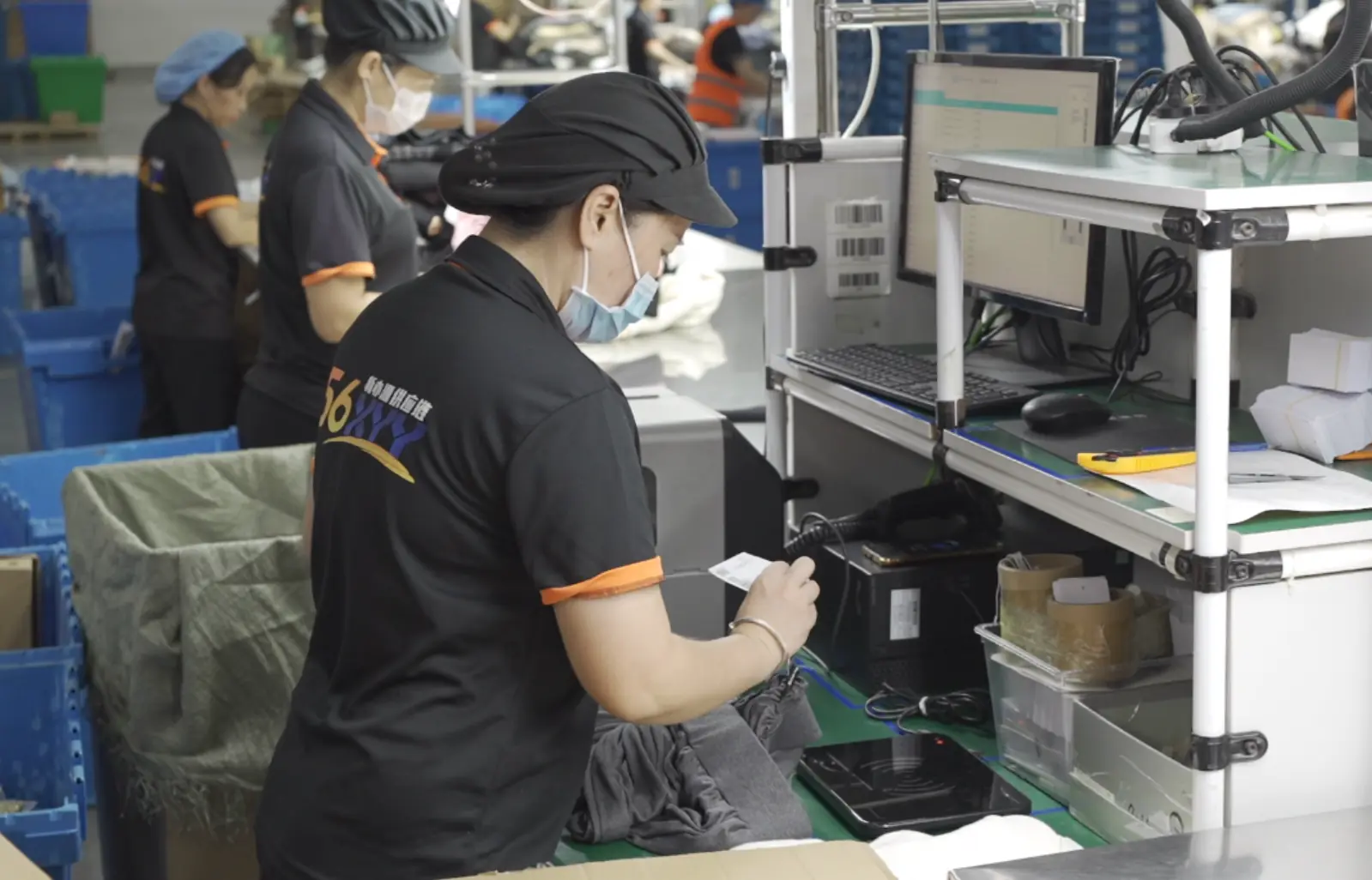
Apparel inspection
Check tags, stitching, damage, staining, colour change and accessories; compare samples and use agreed wash, colour-fastness or shrinkage checks.
Footwear inspection
Check paired sizing, colour variation, excess adhesive, separation and staining. Footwear repair can include cleaning, bonding and odour treatment; the reported repair success rate is 90%.
AQL inspection rules
The QC team works to AQL 1.0–6.5. The AQL level, sample size, issue categories, decision method and report format are confirmed for product value, channel and customer standards.
Reviewable evidence
A record from unpacking to the final decision
- Unpacking record
- Inspection photographs
- Decision result
Video evidence1080P unpacking monitoring records the process. Inspection actions can be traced and used as evidence for e-commerce returns disputes where agreed.
Repair routing and re-listingB- items may route to the nine-area repair workshop. After repair, WMS status is updated and the item is re-listed after re-inspection within the 24 hours workflow.
The service covers unpacking checks, inspection grading, repair routing and re-listing. The annual returns-inspection volume is 153,000,000 units; project standards and handling conditions are confirmed with each brand.
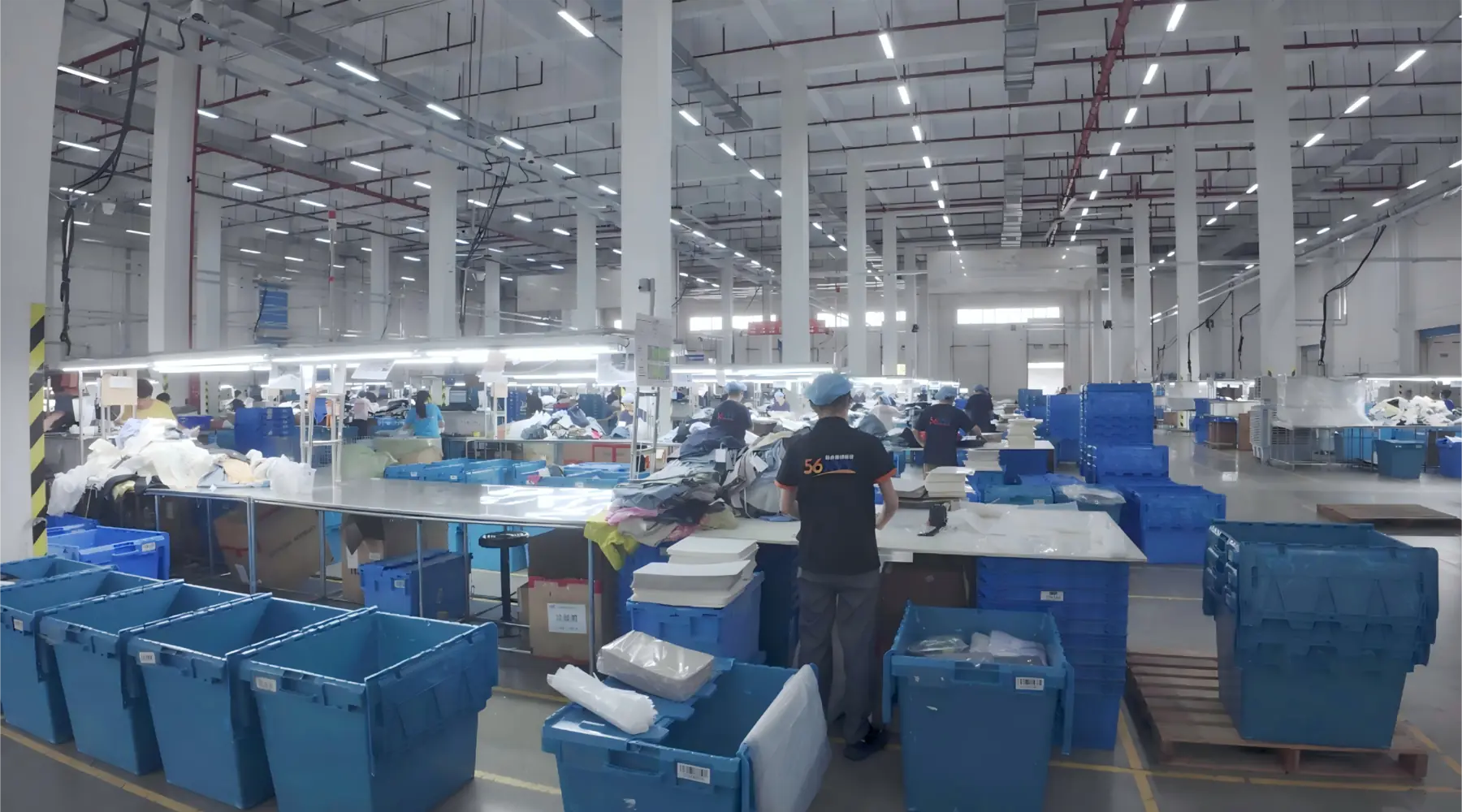
Inbound goods and returns
Inbound inspection for new goods
Check arrivals against the agreed standard
On arrival, check goods against brand records and batch samples. The agreed inspection scope, defect categories and acceptance criteria determine whether to inspect the full batch or a sample. Returns have different checks.
Inspect apparel and footwear
For apparel, check tags, seams, stains, colour changes and accessories. Compare colour, size and identifiers with the sample. For footwear, check paired sizing, colour variation, excess adhesive, separation and dirt.
Route items and keep a record
Follow the brand’s standard to decide where items go. Isolate, return or otherwise handle exceptions as agreed. Photos or unpacking video can support later review if required.
Return eligible items to inventory
Returned womenswear and footwear are unpacked, checked and graded. Eligible items can return to saleable inventory under the agreed standard. For returns from a live sale, see livestream commerce fulfilment.
Checking and routing exceptions
Check the item’s condition
Check returned items in each size separately. Record signs of wear, tags, stains and the condition of accessories, then apply the rules agreed with the brand.
Match the order and items
When unpacking, verify the order, SKU and quantity. Record missing items, damage or other exceptions. Where isolation is required, follow the brand’s agreed handling instructions.
Confirm each item’s next step
Identify saleable items, items for repair and items awaiting a decision. Re-list, repair or otherwise handle them under the brand’s rules, then update inventory status.
Share records with brand support
Keep order details, inspection photos, unpacking video and handling records as required for customer service review or an e-commerce returns dispute.
Frequently asked questions
How does returns inspection work?
Explore inspection standards, how items are handled, and when they can be re-listed.
What does the AQL standard mean for returns inspection?
AQL, or Acceptable Quality Limit, is used for sampling inspection. The QC team works to AQL 1.0–6.5; the level, sample size, issue categories, decision method and report format are confirmed for product value, channel and customer standards.
How are items handled when inspection finds an issue?
A, B+, B- and C illustrate inspection routing. The applicable criteria and handling follow the customer-approved standard. Items requiring isolation are isolated, returned or otherwise handled as authorised by the brand.
How long does returns inspection take?
Returns handling covers receipt registration, unpacking, inspection, issue marking, repair routing and re-listing within the 24 hours workflow. Peak periods and large volumes require an agreed arrival plan, standard and resource arrangement.
Which issues can returns inspection identify?
The 135+ types cover stains; fabric appearance; stitching; buttons and accessories; printing and embroidery; tags and identifiers; and odour. The exact inspection scope follows the agreed project rules.
Can XINYIYUAN inspect new goods as well as returns?
Yes. New goods may use full or sample inbound inspection, wash, colour-fastness, shrinkage and sample-comparison services to the agreed project scope. The annual new-goods inspection volume is 117,000,000 units; acceptance rules and timing are confirmed separately.