
Apparel fulfilment
Style, colour and size control across sales channels
Receiving, inventory management, e-commerce dispatch, store replenishment and returns for apparel and footwear brands. The scope is agreed for each project.
- Partner brands
- 150+Many use omnichannel operations
- Dispatch accuracy
- 100%Scan verification before dispatch
- Single-warehouse peak
- 500,000 orders/dayPeak-period capacity preparation
Every item starts with style, colour and size
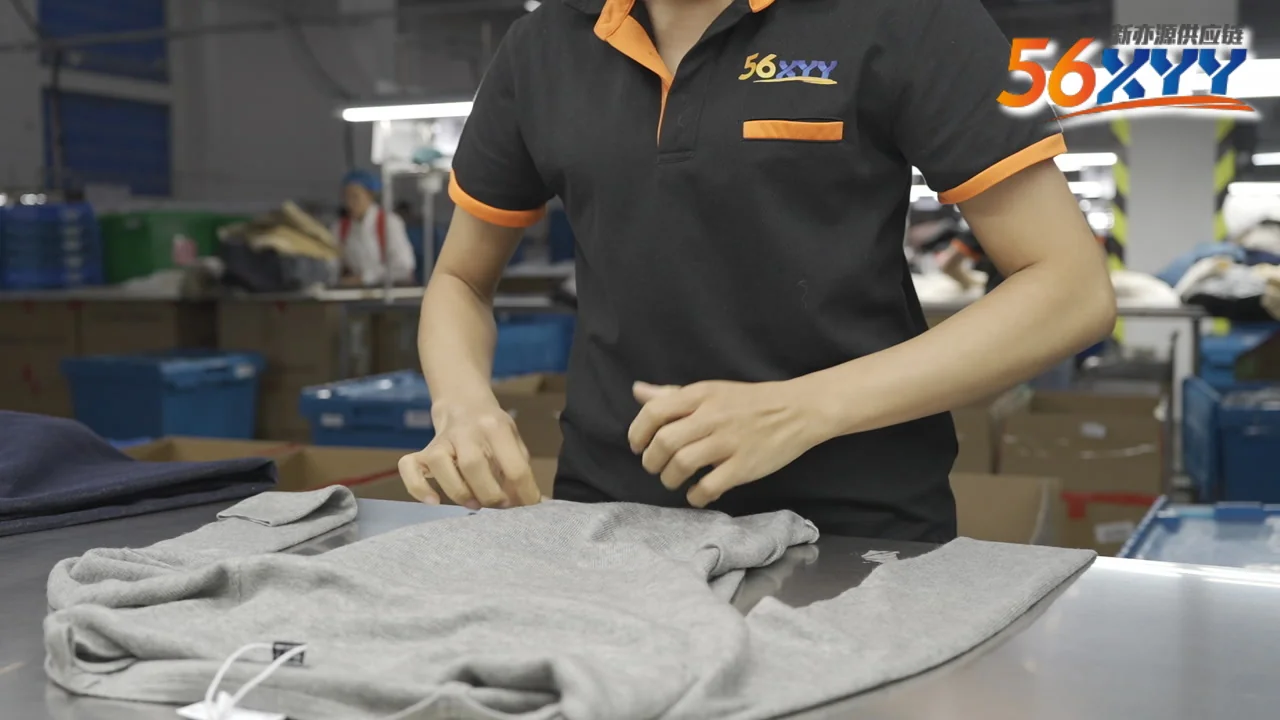
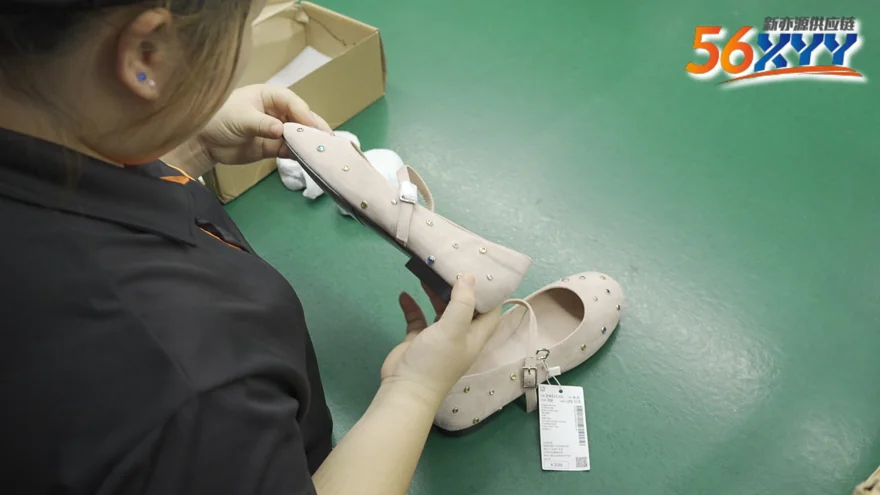
RFID-enabled item identification
RFID, electronic labels and automated sorting support style, colour and size control, picking and verification.
Detailed inventory control
Routine and scheduled stock checks support inventory control. The reported warehouse inventory accuracy is 100%; service conditions are confirmed by project.
From receiving to dispatch
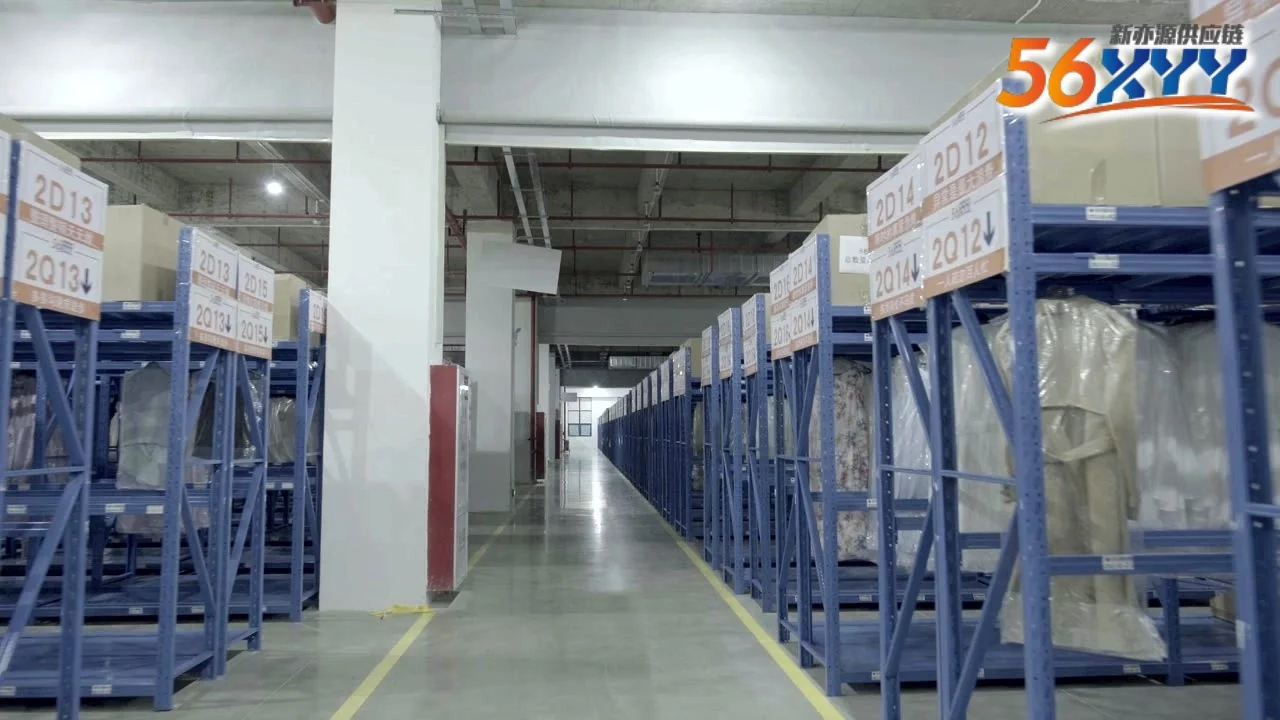
Receiving, inspection and RFID put-away
- Receiving
Items are received and quantities, SKUs and specifications are checked.
- Inbound inspection
Sampling or full inspection follows the agreed project rules; issues are fed back promptly.
- RFID put-away
Items are coded, recorded and put away with location control.
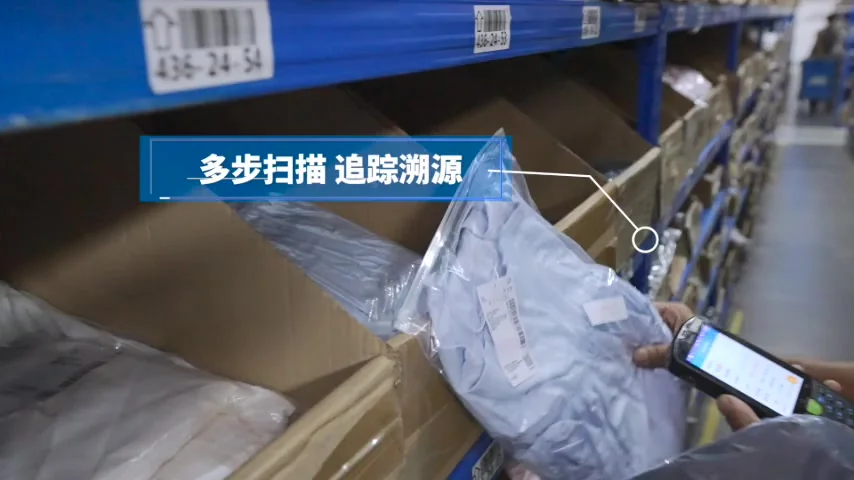
Order release, picking and verification
- Order release
Orders from multiple platforms are synchronised and allocated in waves.
- Picking and verification
Electronic labels guide picking and RFID supports error-prevention checks.

Quality check, packing and dispatch
- Quality check and packing
Items are weighed, checked and packed to the agreed packing standard.
- Dispatch
Orders submitted on the same day are collected the same day, subject to the agreed contract.
One inventory pool across channels
inventory
- B2CE-commerce dispatch
- Orders from multiple platforms are consolidated for inventory checks and dispatch.
- B2BStores and wholesale
- Store replenishment and bulk allocation follow the receiving arrangement.
- O2OOnline and offline coordination
- Store inventory and online orders are connected within the agreed project scope.
One inventory pool across channels
Coordinates B2C, B2B and O2O inventory and orders across agreed platforms to support inventory checks and dispatch.
Configurable WMS integration
Supports serial-number, RFID and style-colour-size management with Qimen, EDI or project-specific interfaces. Implementation and customisation are confirmed by project.
Daily dispatch and peak-season planning
- Pickup arrangement
- Same-dayOrders submitted on the same day are collected the same day, subject to the agreed contract

Flexible capacity planning
A dynamic labour pool and multi-warehouse coordination support peak preparation. The reported single-warehouse peak is 500,000 orders/day and the regional peak is 1,000,000 orders/day.
Read the peak-season warehousing whitepaper summaryEnd-to-end operational traceability
Unpacking, workstations and key areas are recorded. Order-level records can support agreed dispute evidence.
How returned stock becomes saleable again
Returned goods are checked and graded against the brand’s agreed standards. Saleable items go back into stock. Items that need care or repair are inspected again before their next destination is decided.
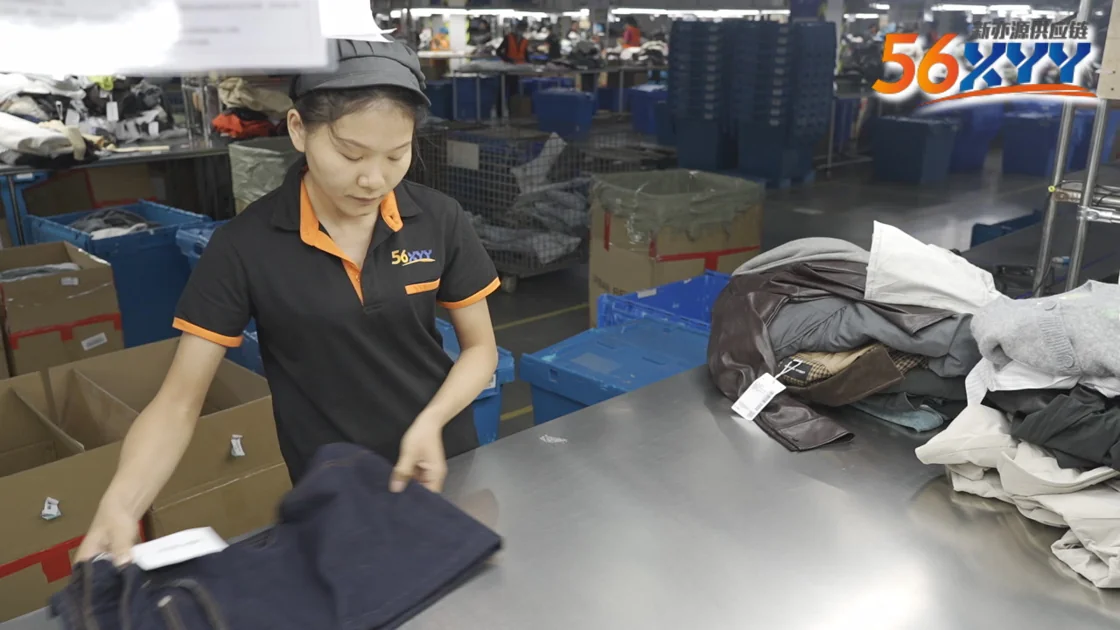

Womenswear fulfilment
New stock is recorded by style, colour and size to support e-commerce dispatch and store replenishment. For returned garments, teams check tags, marks and seams before grading items and returning suitable stock to inventory.
Returns inspection
UR case study
Fast-fashion womenswear
The project’s operating records cover inbound stock, B2C and B2B fulfilment, and returns handling.

Inman case study
Cotton and linen apparel
A shared inventory pool coordinates online and offline operations, keeps platform stock in sync and supports dispatch across platforms.
From onboarding to daily operations
Order-by-order fulfilment from your own stock
Brands supply their own stock and a list of styles, colours and sizes. The warehouse creates item records, manages inventory and picks and packs each order. Store replenishment and returns inspection can be included by agreement.
Apparel warehouse transfer checklist
When moving from an existing warehouse or in-house dispatch, the brand and warehouse teams can use these four steps to agree who handles stock, orders and returns.
- Reconcile stock at the current warehouse
Count by style, colour, size and barcode. Separate saleable, pending-inspection and in-transit stock, and agree who resolves discrepancies.
- Connect systems and run test orders
Check platform and SKU mappings, then verify order release, picking and packing, tracking updates and inventory deductions.
- Transfer stock and switch order routing in batches
Confirm receiving, stock counts and put-away for each batch. Agree when each channel switches and how exceptions will be handled.
- Hand over in-transit goods and returns
Record unshipped orders, in-transit parcels and open returns. Agree which warehouse handles each item and what each team will reconcile.
Seasonal changeovers and broken size runs
Check stock by style, colour and size to find gaps in size runs. The brand decides how to replenish or handle remaining stock, and the warehouse updates its records. Pre-order operations follow the expected arrival and sales schedules.
Frequently asked questions
More questions about apparel fulfilment.
Expand an item for platforms, peak periods, timing and cooperation arrangements.
How does apparel fulfilment differ from a general warehouse?
Apparel fulfilment is organised around high SKU counts, style-colour-size variants, returns and seasonal variation. The project scope can include serial numbers, RFID, platform orders, returns inspection, repair and re-listing.
Which commerce platforms can apparel fulfilment connect to?
It supports B2C, B2B and O2O coordination. B2C can include Tmall, Taobao, JD, VIP JIT/JITX, Pinduoduo, Douyin, Kuaishou, Xiaohongshu, Dewu and WeChat Mini Programs; interface scope is agreed for each project.
How are 618 and Double 11 peak periods prepared for?
Before peak periods, the project checks inventory, capacity, labour, packing materials and carrier routes. The reported single-warehouse peak is 500,000 orders/day and the regional peak is 1,000,000 orders/day; arrangements are confirmed in the service plan.
What is the dispatch timing?
Orders submitted on the same day are collected the same day, subject to the agreed contract, with reported dispatch accuracy of 100%. Carrier transit timing depends on route, destination and platform rules and is confirmed by project.
Can smaller brands use apparel fulfilment?
Yes. Brands of different sizes can be assessed by project. Storage, operations, system implementation and value-added services are confirmed around the requirements; a single-warehouse plan can be the starting point.
Prepare for a conversation
Start with your itemsand orders.
For apparel brands managing high SKU counts, seasonal capacity and inventory across channels. RFID, electronic labels and automated sorting support agreed workflows; reported inventory accuracy is 100%.
- 01
SKU and category
Product categories, styles and sizes
- 02
Sales channels
Primary sales platforms and stores
- 03
Daily and peak order volume
Typical volume and event forecast
Storage, operations, system implementation and value-added services are confirmed around the requirements.