
Livestream fulfilment
From pre-show stock to post-show returns
For apparel brands, creators and livestream agencies. Plan stock and batch dispatch by session, coordinate inventory across platforms, and inspect returns.
Stock preparation and order dispatch
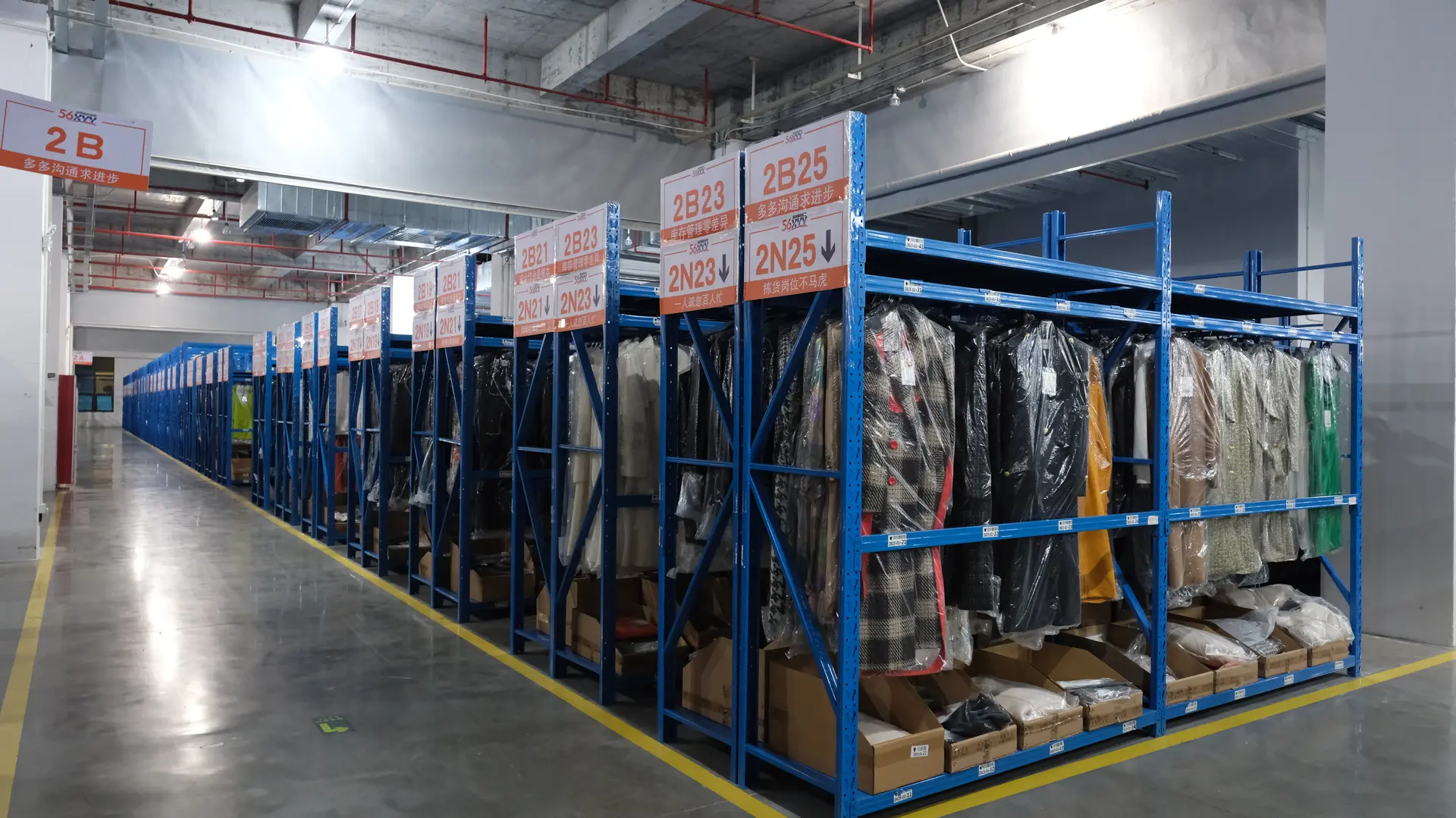
Before the show
Plan stock and staffing
Use the livestream schedule and expected volume to check style, colour and size stock, then plan space, packing materials and staff.
Flexible capacity for order peaksStaffing can be adjusted by the hour for major sessions. Packing materials and carrier plans are confirmed in advance.
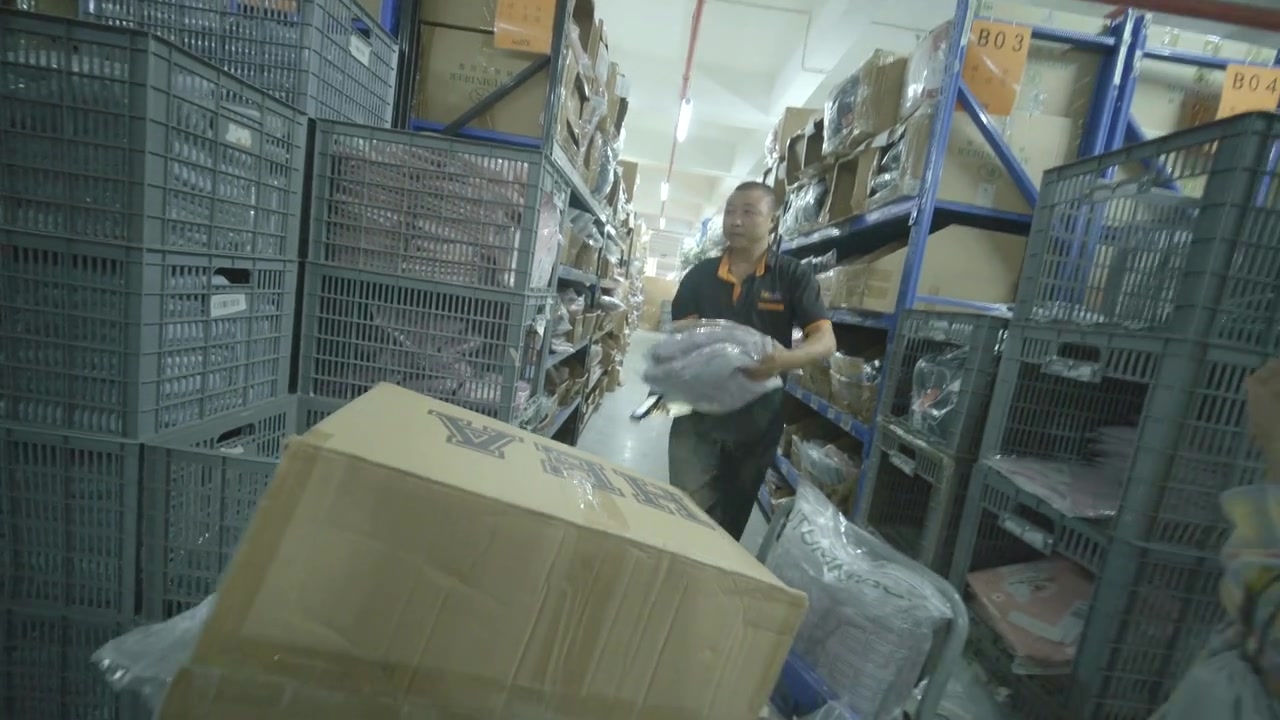
Order surge
Pick and check in batches
After order validation, organise picking, verification and packing in batches. Capacity is confirmed in the session plan.
Picking-wave allocationAfter livestream orders arrive, the system creates work waves. RFID location and verification workflows organise batch picking; capacity is confirmed in the session plan.
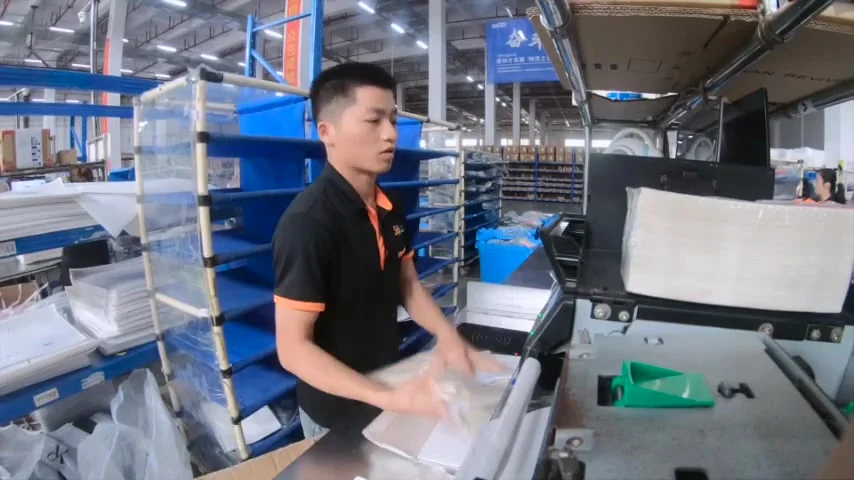
Dispatch
Pack, hand over and report
Complete the agreed handover, share shipping updates and follow up on order or stock exceptions.
Orders submitted on the same day are collected the same day, subject to the agreed contract
Orders and inventory across platforms
If you sell on Douyin or similar platforms, confirm account permissions and available data. During the show, check platform stock, sellable quantities and stock restored from cancelled orders.
Import platform orders
Agree which order, stock, dispatch and returns data the project will connect.
Check sellable stock
Multi-platform inventory synchronisationOrder and inventory interfaces with livestream platforms or brand systems can be implemented by project to reduce overselling caused by delayed stock updates. Available interfaces are confirmed through integration testing.
Share shipping updates
Report dispatch status as agreed and handle exceptions under platform rules and the project plan.
Post-show returns and re-listing
Inspection and re-listing timeUnder the service agreement, eligible items complete inspection and re-listing within 24 hours. Assess items needing repair separately and confirm the return warehouse by project.
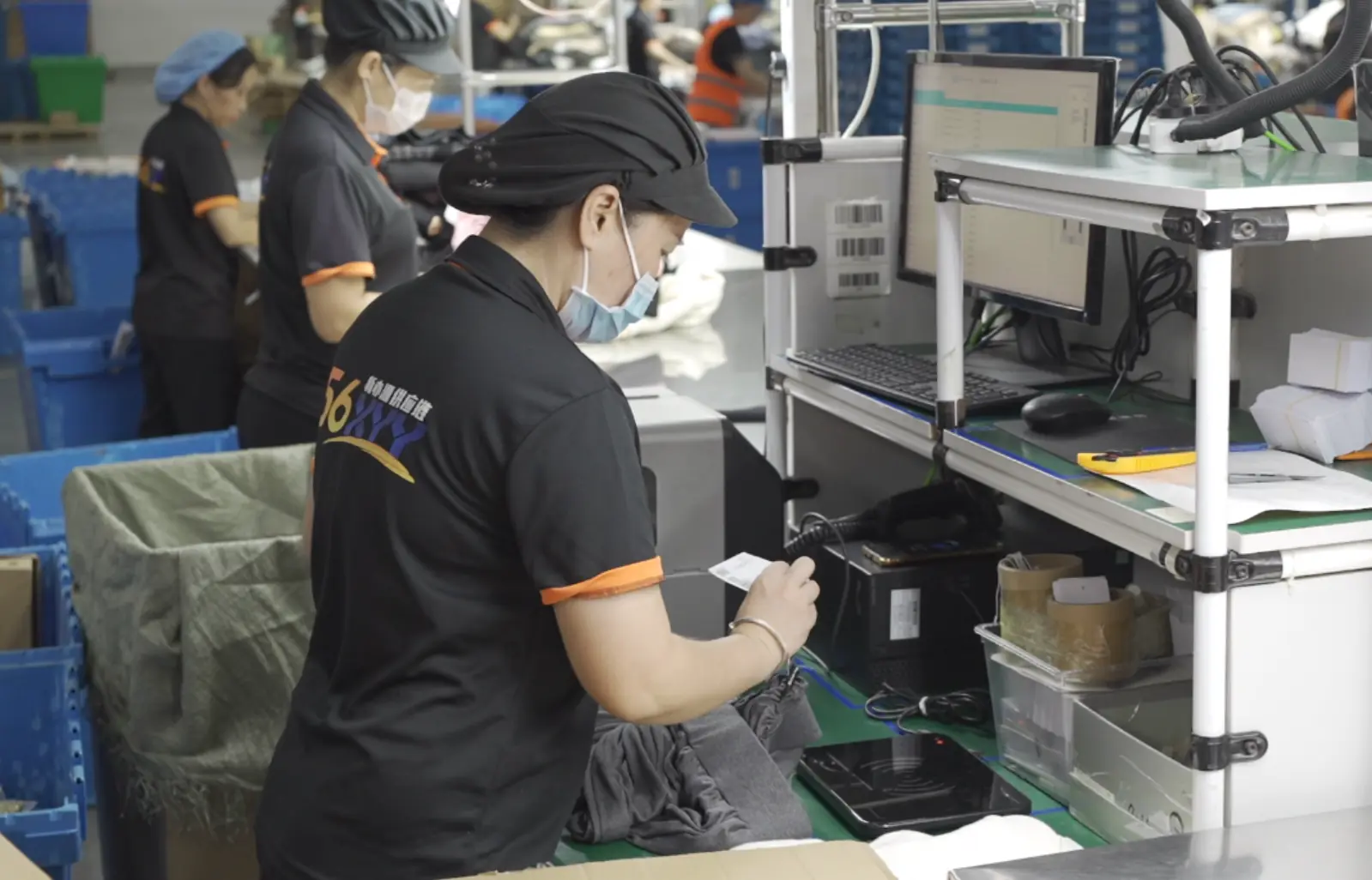
Ready to resell
Return items to saleable stock after they pass inspection.
Needs finishing or repair
Arrange care based on inspection results and check repaired items again.
Exception items
Record missing pieces, stains or other issues and follow the agreed handling rules.
Shared warehousing for livestream agencies
Multi-brand plans for livestream agenciesShared-warehouse plans for MCNs and livestream service providers use separate brand zones, isolated system permissions, individual dispatch notes and reports to support multiple clients.
Storage by brand
Separate stock by brand and check style, colour and size on receipt.
Account permissions
Set access to inventory and order information by brand.
Dispatch and reconciliation
Keep dispatch notes and reports separate for each brand.
Settlement
Agree whether the agency settles centrally or each brand settles separately.
What to confirm before going live
Schedule, products and stock volume
Share the session calendar, SKU list, forecast and packing requirements. Include expected arrival dates for pre-orders and flag changes.
Platform rules and exceptions
Confirm permissions, campaign stock reservations and cancellation rules. Agree who handles overselling, shortages and delayed inbound stock.
Returns and sample handover
Agree where returns go, how they will be inspected, whether samples should be sent back and when stock records are updated.
Creator sample dispatch in practice
Track sample SKUs, recipients and item status separately. Agree return arrangements in advance.

Xingmian
The project included multi-channel orders, returns inspection and sample dispatch for creators.

ROMI STUDIO
The womenswear project included order dispatch, rapid replenishment and sample dispatch for creators.
Frequently asked questions
Livestream fulfilment FAQs
Review platform integration, high-volume sessions, overselling and multi-brand warehousing.
How does livestream fulfilment differ from ordinary e-commerce fulfilment?
There are three main differences: orders may arrive in a short burst, requiring flexible capacity; inventory synchronisation must reduce the delay between platform stock and physical warehouse stock; and returns usually need coordination with forward fulfilment. XINYIYUAN organises its workflows around capacity, inventory and returns.
Which livestream platforms can be connected?
Major livestream commerce platforms are supported, with order, inventory, dispatch and returns data integration assessed by project. Platform authorisation, interface availability, field scope and integration timing follow project confirmation and current platform rules.
Can the warehouse handle a major livestream order surge?
Capacity is assessed for each session. Before promotions or livestream events, projected volume is used to plan warehouse space, labour, packing materials and logistics channels. A dynamic labour pool, multi-warehouse coordination and wave operations support additional capacity; the reported single-warehouse daily peak is 500,000 orders/day. Brands should provide session and stock plans early so the project arrangements can be confirmed.
How is overselling during a livestream handled?
Overselling can result from inventory sync delays, stock reserved for platform campaigns, cancelled-order restocking or manual adjustments. Inventory synchronisation, order checks, stock alerts and exception controls can reduce risk. Published inventory accuracy is 100%. Exception handling follows platform rules and the agreed project plan.
Can MCNs and livestream agencies use multi-brand warehousing?
Yes. Multi-brand shared-warehouse plans provide separate storage zones, account permissions that limit each brand to its own stock and orders, and separate dispatch notes and bills for reconciliation. Settlement can be centralised through the agency or handled separately by each brand. Plans are tailored to brand count and SKU scale.